
How to Start Forex Trading: A Comprehensive Guide
Forex trading, short for foreign exchange trading, is the largest and most liquid financial market in the world. With an average daily trading volume exceeding $6 trillion, Forex offers tremendous opportunities for participants to trade currencies and capitalize on price fluctuations. If you are interested in how to start forex trading, this guide will provide you with the fundamental steps to embark on your trading journey. Don’t forget to explore how to start forex trading Forex Brokers in Argentina for reliable trading options.
1. Understanding Forex Trading
Before you jump into trading, it’s essential to understand what forex trading entails. In forex, currencies are traded in pairs, such as EUR/USD or GBP/JPY. This means when you buy one currency, you are simultaneously selling another. The primary goal is to predict whether the value of a currency pair will rise or fall.
2. Getting Educated
Knowledge is key in forex trading. Start by educating yourself on fundamental and technical analysis, trading strategies, risk management, and market trends. Numerous online resources, forums, and courses can provide valuable insights. Consider practicing with demo accounts offered by many brokers to familiarize yourself with the trading platform.
2.1. Fundamental Analysis
Fundamental analysis involves assessing the economic indicators, political events, and overall market sentiment that can affect currency prices. Keep an eye on interest rates, GDP, employment figures, and geopolitical news that could influence market movements.
2.2. Technical Analysis

In contrast, technical analysis focuses on price trends and chart patterns. Using historical data, traders analyze price movements and use various indicators, such as moving averages and Fibonacci retracement levels, to make informed trading decisions.
3. Choosing a Reliable Forex Broker
Selecting the right forex broker is crucial for your trading success. Look for brokers that offer competitive spreads, leverage options, and a user-friendly trading platform. Ensure that the broker is regulated by a reputable authority, which adds a layer of security to your trading activities.
3.1. Types of Forex Brokers
There are various types of brokers, including market makers, ECN brokers, and DMA brokers. Market makers set their own prices and may charge wider spreads, while ECN brokers provide direct access to the interbank market with tighter spreads. Research and compare these options to find a broker that suits your trading needs.
4. Developing a Trading Plan
Every successful trader operates with a well-defined trading plan. This plan outlines your trading goals, risk tolerance, and strategies. Consider factors such as your desired trading frequency, the currency pairs you want to trade, and how much capital you allocate for each trade.
4.1. Setting Goals and Risk Management
Set realistic goals and determine how much risk you are willing to take on each trade. Many traders use the “2% rule,” which states that you should never risk more than 2% of your trading capital on a single trade. This helps mitigate losses and maintain trading longevity.
5. Technical Tools and Trading Platforms
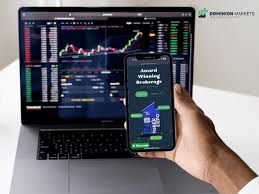
Familiarize yourself with different trading platforms available. Most brokers offer robust trading platforms equipped with various tools for technical analysis. MetaTrader 4 (MT4) and MetaTrader 5 (MT5) are among the most popular trading platforms, known for their user-friendly interface and advanced capabilities.
5.1. Utilizing Trading Tools
Use tools such as trading journals to track your trades and analyze performance over time. Additionally, familiarize yourself with charting tools that can help identify trends and support/resistance levels.
6. Practicing with a Demo Account
Before risking real money, practice your strategies in a demo account. Most brokers provide demo accounts that mirror live market conditions, allowing you to trade with virtual money. This is an excellent way to gain confidence, develop your strategies, and ensure you’re ready to trade risk-free.
7. Going Live: Making Your First Trade
Once you feel confident in your abilities, it’s time to go live and make your first real trade. Start with a small amount of capital and gradually increase your trading size as you gain experience. Always adhere to your trading plan and avoid emotional trading decisions.
8. Continuous Learning and Adaptation
The forex market is constantly evolving, and successful traders are those who can adapt. Continuously educate yourself on new strategies, market trends, and changes in economic factors that may impact currency movements. Engage with trading communities and forums to share experiences and learn from others.
Conclusion
Starting forex trading can be an exciting and potentially lucrative venture, but it requires education, practice, and discipline. By following the steps outlined in this guide — from understanding forex fundamentals to developing a solid trading plan — you can set yourself up for success. Remember to stay patient and committed, as every trader’s journey is unique.